Timely Terminating Termites
It’s finally spring in the Texas Hill Country and after such an unusually cold winter, the chirping birds, blooming flowers, and blue skies are a welcomed change of scenery. However, spring also marks a time for Texans to take caution from swarming termites. Termites are one of the most devastating pests to come across in your home. Known as “silent destroyers”, termites cause billions of dollars in damaged property every year by eating cellulose-based materials such as fence posts, trees, and wood structures in your home. Often times the costs of repairing the damage caused by termites are not covered by homeowners’ insurance policies. The best way to avoid these costly repairs is by looking for possible termite infestations and contacting the Bug-A-Meister before it’s too late.
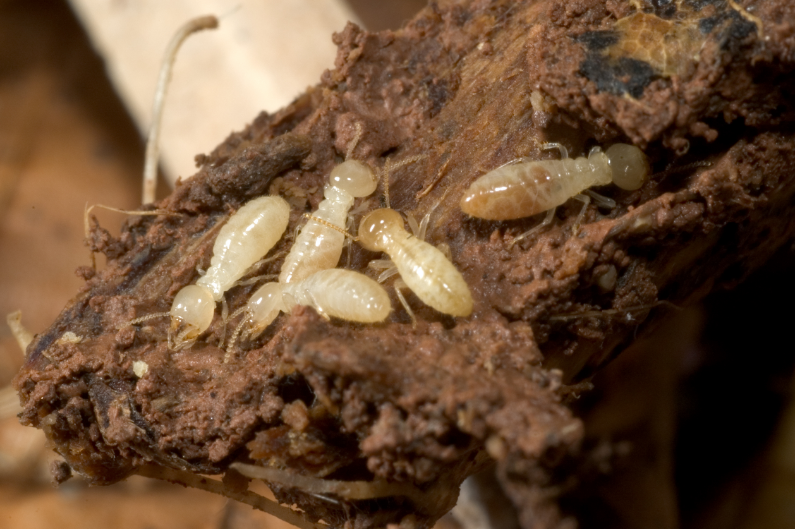
The Termites of Texas
There are over 2,000 species of termites across the globe, but Texas deals with two species in particular; Formosan subterranean termites and Southeastern Drywood termites. Both species are extremely detrimental to properties and knowing how to spot a growing infestation is important.
Formosan subterranean termites cause the most property damage in the US per year. These termites swarm underneath the ground, making them difficult to spot. They are attracted to moist and decaying wood but often make their way into healthier wood if the infestation isn’t caught in time. These termites also reproduce faster than other species of termites, growing upwards of a million termites in a single colony. Because of their reclusive nature and breeding habits, identifying and exterminating an infestation before it’s too late is crucial for the longevity of your home.
Southeastern Drywood termites are not subterranean. Rather, these termites make their colonies directly inside wooden structures including walls and wooden foundations. Southeastern Drywood termites are also attracted to healthy wood, often devouring new wooden structures. Their swarms reach the thousands and can cause significant damage to a home if an infestation is left untreated.
How to Spot a Termite Infestation
The “silent destroyer” is a fitting description for termites because the damage is often done before you even know you have an infestation. Now that this warm Spring weather is here, termites are swarming and looking to make your home their feeding ground. Follow these simple steps for identifying a termite infestation in your home.
Blistered wood flooring is a major sign that subterranean termites are swarming underneath your home. These signs of termites often looking like water-damaged wood panels.
Hollowed-out and damaged wood around your home. Termites chew through wooden structures such as foundations, walls, and fence posts in search of the main part of their diet, cellulose.
Termite wings are one of the easier signs of an infestation to identify. Termites swarm out of their nests in search of finding a mate and start a new colony. Once they land, termites remove their own wings. Look for termite wings around home access points such as windows and doors.
Mud tubes are a sign of subterranean termites. These tubes are a way for subterranean termites to block themselves from the elements until they find a way into your home. These tubes can often be found where the ground meets your home.
Termite droppings are a sign of a Southeastern Drywood termite infestation. Because Southeastern Drywood termites nest directly inside of wood, these droppings will be found next to wooden structures and resemble a pile of sawdust.
Even though these signs may indicate a termite infestation, the “silent destroyer” is notorious for going completely unnoticed until the damage is done. The best way to avoid this is by contacting the Bug-A-Meister for your annual termite inspection today.